Citrine
The Renaissance Merchant's Stone — golden quartz of abundance and optimism
Citrine Quick Facts
The History of Citrine
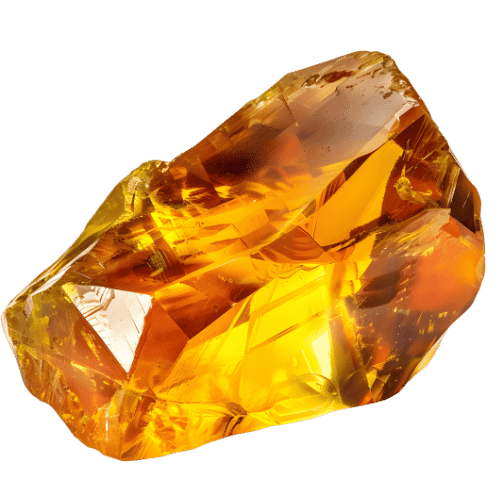
Citrine takes its name from the French citron (lemon), reflecting its yellow color. Most commercial citrine is heat-treated amethyst — heating purple amethyst to 470°C breaks the iron color centers and creates yellow-orange citrine. Natural unheated citrine (called Madeira citrine after the wine color) is rare and commands premium prices. Citrine has been used in jewelry since ancient Greek and Roman times, but its nickname "the Merchant's Stone" was earned during the Renaissance. European merchants of 14th-17th century placed citrines in cash boxes to attract wealth and discourage theft — the legend was so widespread that even today citrine is associated with prosperity and successful commerce. The 19th-century European fashion for golden Brazilian topaz revived citrine demand; Madeira citrine often sold as cheaper-looking topaz to enthusiastic buyers. Modern citrine sources include Brazil (the world leader), Madagascar, Russia, and Bolivia.
Citrine Meaning & Symbolism
Citrine is the stone of abundance, prosperity, and optimistic energy — sometimes called "the success stone" in modern crystal healing. The connection to wealth is older than crystal healing: Renaissance merchants embedded citrines in their account ledgers and cash boxes. Vedic astrology assigns citrine to Jupiter, the planet of expansion and good fortune. Modern feng shui places citrine in the wealth corner of homes. The gem corresponds to the solar plexus chakra (personal power, confidence, joy) and is recommended for those rebuilding self-worth or facing financial transitions. Unlike many crystals, citrine is one of the few said to never need cleansing — its energy is considered self-purifying and able to neutralize negative influences from other stones nearby.
Famous Citrines in History
The Malaga Citrine, a 25,000-carat museum-quality Brazilian crystal, sits at the National Museum of Natural History in Madrid. Queen Victoria's Scottish citrine jewelry — including her famous Cairngorm citrine kilt pin set — popularized the gem in 19th-century Britain. Cairngorm (Scottish for "yellow rock") citrines from the Scottish Highlands have been worn in traditional Scottish dress for centuries. The 5,160-carat Cairn Faceted Citrine remains among the largest gem-quality faceted stones in any private collection. Tiffany & Co. used Madeira citrine extensively in 1960s Modernist jewelry that now sells at vintage auction for $5,000-50,000 per piece.
How to Care for Citrine
Citrine is hard (Mohs 7) and durable for daily wear. Heat-treated citrine (most commercial citrine) is stable under normal conditions. Avoid prolonged direct sunlight or extreme heat (can fade some treated stones). Clean with warm water and mild soap. Ultrasonic cleaners are generally safe for solid citrine. Store separately from harder gems (sapphire, ruby, diamond) to prevent surface scratching. Natural Madeira citrine is more stable than heat-treated material under all conditions.
Names That Connect to Citrine
Citrine's golden abundance resonates with names meaning lucky, prosperous, or sun-bright — Felix (lucky), Aurora (dawn), Leo (sun-ruled lion).
Citrine — Common Questions
Is most citrine actually heated amethyst?
Yes — approximately 95% of commercial citrine is heat-treated amethyst. Heating amethyst to 470°C breaks the iron color centers and produces yellow-orange citrine. The treatment is permanent, accepted globally, and creates an indistinguishable result. Natural unheated citrine (Madeira citrine) is rare and commands a premium.
Why is citrine called the Merchant's Stone?
Renaissance European merchants placed citrines in their cash boxes and account ledgers, believing the stone would attract wealth and discourage theft. The tradition was so widespread that the nickname "Merchant's Stone" stuck, even centuries later. Modern feng shui practitioners place citrine in the southeastern "wealth corner" of homes for similar reasons.
What's the difference between citrine and yellow topaz?
Citrine and yellow topaz are different minerals. Citrine is a quartz (Mohs 7); topaz is its own species (Mohs 8). Citrine is more abundant and affordable. Yellow topaz from Brazil is rarer and commands higher prices. Visually, top-quality "Madeira" citrine and golden imperial topaz can look similar — gemological certification is needed to distinguish them.
Why is citrine the November birthstone?
Citrine joined topaz as November's modern birthstone in 1952 to provide an affordable alternative. Topaz (especially imperial topaz) was historically expensive and rare; citrine offered the same warm autumnal color at lower cost. Most November-born now choose between the two stones based on personal preference and budget.
Does citrine really attract wealth?
The wealth-attracting properties of citrine are folklore, not science — no studies validate the claim. However, the symbolic association with prosperity is genuine and centuries old. Many entrepreneurs and traders wear citrine as a daily reminder of their abundance mindset and goals. The placebo effect on confidence is real.
Other Stones to Explore
More Cosmic Tools
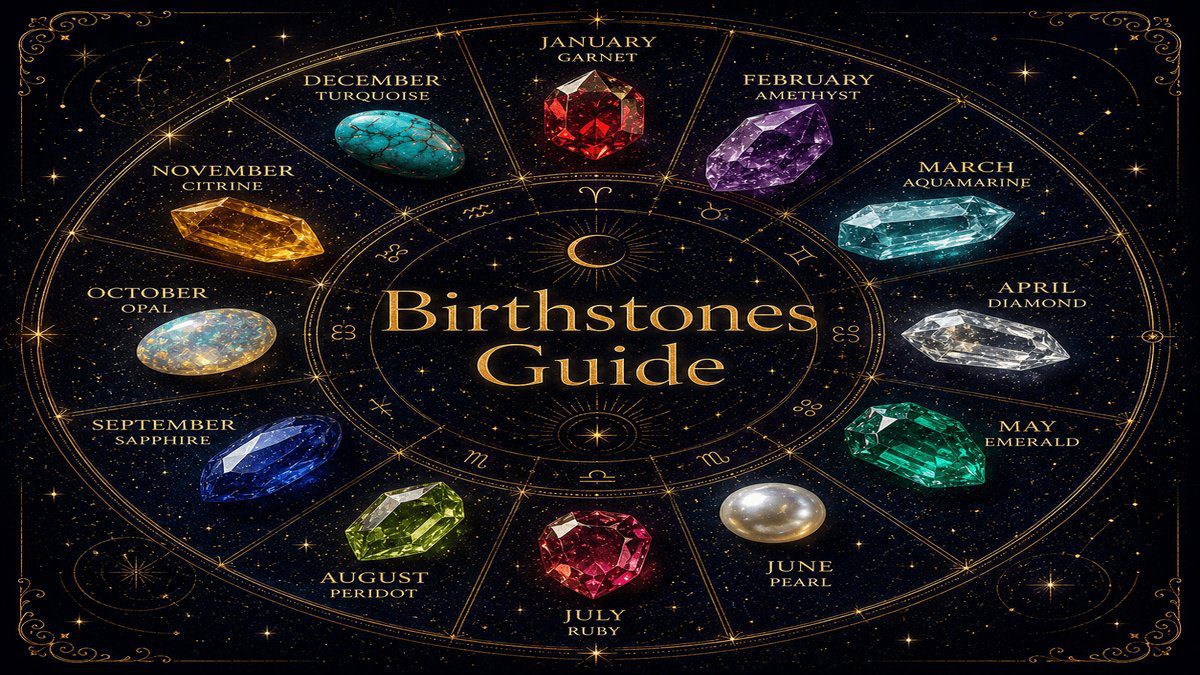
Find Your Birthstone by Birth Month
Each month has its own stone with unique meaning, history, and healing energy. Tap your birth month to discover yours in detail.
💎 Bringing Citrine Into Your Practice
Reading about Citrine activates one part of you. Holding Citrine activates an entirely different part. Ancient cultures across continents independently established the same truth: the stone in the hand does what the stone in the mind cannot.
Choose Your Format
- Tumbled Citrine ( to 14) for pocket carry and meditation.
- Raw Citrine ( to 32) most powerful energetically for altar or desk.
- Citrine Bracelet ( to 35) daily-wear, energy active 24/7.
- Citrine Pendant ( to 45) over heart chakra for emotional work.
Authenticity Quick Check
Verify: weight (denser than expected), temperature (cool in palm 30+ sec), color depth (natural variation, not uniform). Avoid mixed-category sellers and prices under .
Caring for Your Stone
Citrine absorbs ambient energy continuously. Weekly cleansing required. The simplest tool: a Selenite charging plate ( to 22). Place crystals on it overnight. See our complete cleansing guide for 6 more methods.