Sardonyx
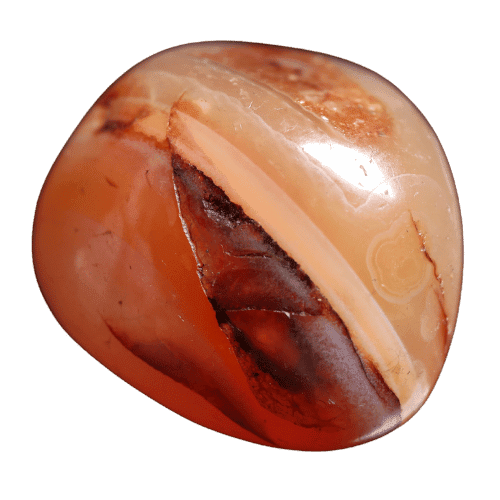
The Roman warrior's banded courage stone — red sard layered with white onyx
Sardonyx Quick Facts
The History of Sardonyx
Sardonyx is a banded variety of chalcedony combining red sard (named for Sardis, ancient city in modern Turkey) with white onyx (named for the Greek for fingernail, since pale layers were thought to look like nails). Roman intaglio rings of sardonyx — engraved with portraits of Mars, the god of war — were carried by soldiers as courage amulets. The Roman Emperor Tiberius commissioned sardonyx cameos depicting his military victories. The famous Eagle Cameo of Augustus (1st century AD), a sardonyx masterpiece, shows the imperial eagle in classic Roman three-layer carving — red base, white middle, brown top. Renaissance Europe revived sardonyx as the gem of choice for cameo jewelry; Queen Elizabeth I of England commissioned multiple sardonyx cameos showing her image. Modern sardonyx comes primarily from Brazil, India, and Madagascar. As August's traditional birthstone, sardonyx predates the modern peridot designation.
Sardonyx Meaning & Symbolism
Sardonyx is the warrior's stone — courage, integrity, willpower, and the strength to defend what matters. The Romans associated the gem with Mars (war), Apollo (victory), and Hercules (heroic strength). Engraved sardonyx rings were considered to grant the wearer protection against curses, manipulation, and false friends. In Vedic astrology, sardonyx corresponds to Mars and is recommended for warriors, athletes, leaders, and those facing physical or political challenges. Modern crystal healing places sardonyx at the root chakra and recommends it for grounding, willpower, and protection during conflict. The banded structure symbolizes the integration of opposing forces — red passion balanced with white clarity.
Famous Sardonyxs in History
The Gemma Augustea (9-12 AD), the sardonyx cameo of Emperor Augustus, is among the most celebrated objects of Roman art — 19×23 cm, displayed at Vienna's Kunsthistorisches Museum. The Eagle Cameo of Augustus, a smaller Roman piece showing the imperial eagle, is at the British Museum. The Tazza Farnese, a 2nd-century BC sardonyx cup carved from a single 20-cm stone, sits in the National Archaeological Museum of Naples — considered one of the masterworks of Hellenistic gem carving. Renaissance Italian and English sardonyx cameo collections fill museums across Europe.
How to Care for Sardonyx
Sardonyx is hard (Mohs 6.5-7), suitable for daily wear. Heat treatment is sometimes used to enhance the red color. Most commercial sardonyx is sold natural. Clean with warm water and mild dish soap. Ultrasonic cleaners are generally safe. Store separately from harder gems. Polished cameos and intaglios should be cleaned gently to preserve the carved details.
Names That Connect to Sardonyx
Sardonyx's Roman warrior heritage resonates with names meaning lion, brave, victorious — Leo, Leon, Maximus, Atticus, Valentina.
Sardonyx — Common Questions
What is the difference between sardonyx and sard?
Sard is a uniform red-brown chalcedony. Sardonyx is sard with white onyx layers banded through it. The presence of layered banding is what makes sardonyx — pure red without bands is sard, pure black or banded with black is onyx. Sardonyx specifically requires the red-and-white combination.
Why do Roman cameos use sardonyx?
The natural color layers of sardonyx allow Roman carvers to create three-dimensional cameos by cutting away top layers to reveal contrasting colors beneath. A skilled carver could produce a portrait in white standing out against a red background — using only the natural colors of the stone, no paint or pigment. This made sardonyx the supreme cameo gem of antiquity.
Is sardonyx the August birthstone?
Sardonyx is August's traditional birthstone, predating the modern peridot designation. Both stones are now official August birthstones in the modern American list. Some August-born prefer sardonyx for its historical Roman connections; others choose peridot for its summer-warm color. Spinel was added as a third option in 2016.
Is sardonyx valuable?
Common sardonyx is affordable — typically $20-100 per carat for jewelry-grade material. Antique Roman, Renaissance, or Victorian carved sardonyx pieces command much higher prices because of artistic and historical value. Top-quality cameos can reach $50,000-500,000 at auction.
How is sardonyx cleaned?
Clean sardonyx with warm water, mild dish soap, and a soft brush. Ultrasonic cleaners are generally safe for solid pieces but should be avoided for fracture-filled or dyed stones. Avoid harsh chemicals. Store separately from harder gems. Carved cameos benefit from particularly gentle care to preserve the intricate carving details.
Other Stones to Explore
More Cosmic Tools
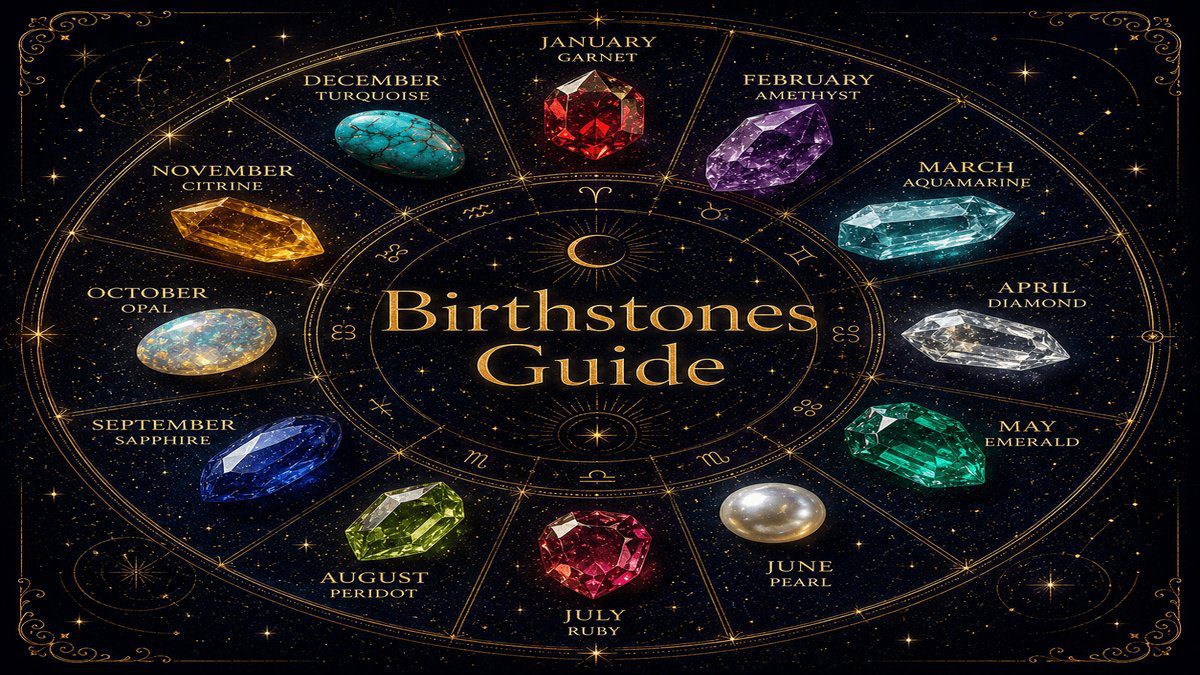
Find Your Birthstone by Birth Month
Each month has its own stone with unique meaning, history, and healing energy. Tap your birth month to discover yours in detail.