Jade
China's sacred imperial gem — symbol of wisdom, longevity, and unbroken values
Jade Quick Facts
The History of Jade
Jade has been culturally central to China for over 7,000 years — older than any other gem-culture relationship on Earth. Chinese jade carvings predate written language. The Confucian saying "Gold has a price, but jade is priceless" reflects the gem's spiritual rather than commercial value. Imperial Chinese emperors were buried in jade burial suits — thousands of small carved jade plaques sewn together with gold thread to preserve the body for the afterlife. The famous Burial Suit of Liu Sheng (113 BC), made of 2,498 jade pieces and 1,100 grams of gold thread, was excavated in 1968. Jade has two distinct mineral families: jadeite (jadeite jade, harder, more valuable, primarily from Myanmar) and nephrite (the historic Chinese jade, primarily from China and New Zealand). Mesoamerican civilizations (Maya, Aztec) treasured jade equally — Maya kings were buried wearing jade death masks. New Zealand Maori carved sacred pounamu (greenstone) for ceremonial weapons and ornaments. Modern jade markets remain centered in China, Hong Kong, and Myanmar.
Jade Meaning & Symbolism
Jade is the gem of wisdom, longevity, balance, and unbroken values — what Confucius called the qualities of the noble person. In traditional Chinese jewelry, jade bangles are worn lifelong (often given to babies for protection); some Chinese women wear jade bangles inherited from grandmothers. Jade represents the five virtues: charity (smooth surface), modesty (transparency), wisdom (sound when tapped), justice (sharp angles when carved), and integrity (does not break). In Maori tradition, pounamu is sacred and carries the spirit of ancestors. Modern crystal healing recommends jade for the heart chakra (love, harmony), for emotional balance, and for connecting to ancestral wisdom. Jade is also the traditional gem for the 26th and 35th wedding anniversaries.
Famous Jades in History
The Hutton-Mdivani Jadeite Necklace, a strand of 27 perfect jadeite beads, sold at Sotheby's Hong Kong in 2014 for $27.4 million — the most expensive jade ever auctioned. The Burial Suit of Liu Sheng (113 BC) is the most famous archaeological jade artifact, displayed at the Hubei Provincial Museum, China. The Maori War Club Mere Pounamu pieces, carved from a single piece of nephrite jade, are sacred Maori treasures held in Te Papa Museum, New Zealand. The Cheng Huang Temple jade in Shanghai, dating to the Ming Dynasty, contains a 1,500-year-old jade Buddha.
How to Care for Jade
Jade is hard (Mohs 6-7), suitable for daily wear. Treatments range from completely natural (most prized) to dyed and resin-impregnated (called Type B and Type C jade in trade terminology — should always be disclosed). Type A jade (untreated) is the most valuable. Avoid ultrasonic cleaners on dyed or treated jade. Clean natural jade with warm water and mild soap. Avoid harsh chemicals. Jade traditionally improves with regular wear (the natural oils on skin enrich the surface). Store separately from harder gems.
Names That Connect to Jade
Jade's emerald-green wisdom directly matches the name Jade, plus other emerald-green name themes — Esmeralda (emerald in Spanish), Willow, Ivy, Olivia.
Jade — Common Questions
What's the difference between jadeite and nephrite jade?
Jadeite is the rarer, harder, and more valuable variety — primarily from Myanmar, in vivid emerald-green or lavender. Nephrite is the historic Chinese jade — softer, more common, in milder green or white. Both are called jade in commercial usage, but gemologists distinguish them. Imperial green jadeite from Myanmar can sell for tens of thousands of dollars per carat.
What is Type A, Type B, and Type C jade?
Type A jade is completely natural and untreated — the most valuable category. Type B jade has been bleached to remove yellow tones and impregnated with polymer resin. Type C jade has been dyed to enhance color. Reputable sellers always disclose treatment type. Type A commands 5-10x the price of Type B.
Why is jade so valuable in China?
Jade has 7,000+ years of cultural significance in China — far longer than any other gem-culture relationship on Earth. Confucianism connected jade to virtue. Imperial dynasties used jade for burial suits and royal ceremonies. The tradition of jade as more spiritually valuable than gold persists today. Many Chinese families pass jade jewelry through generations.
Does wearing jade really protect you?
The protective belief is folk tradition, not science — no studies confirm physical protection. However, the symbolic protection is real and enduring across multiple cultures (Chinese, Maori, Mesoamerican). Many wearers report psychological comfort and connection to ancestors when wearing inherited jade.
Is jade in any of the modern birthstone lists?
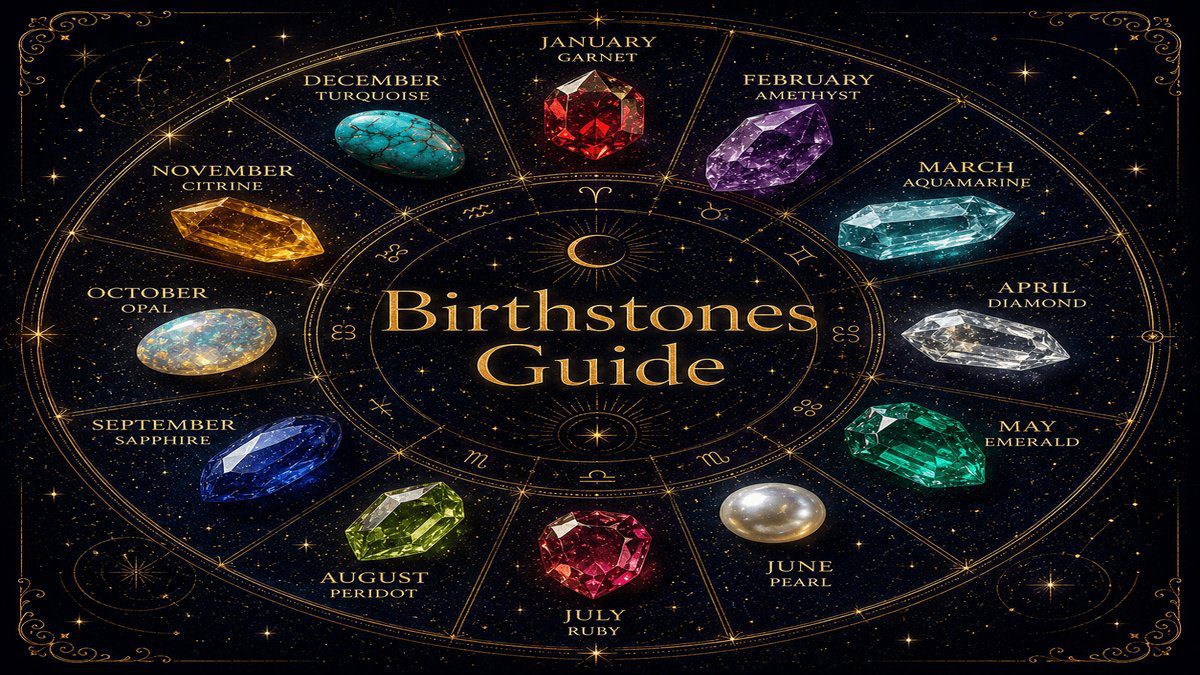
Jade is the mystical (Tibetan) birthstone for March. The modern American list assigns March to aquamarine, with bloodstone as the traditional alternative. Some lists assign jade to August or May. The Chinese gem tradition has its own calendar of stones, in which jade has central importance year-round.
Other Stones to Explore
More Cosmic Tools
Find Your Birthstone by Birth Month
Each month has its own stone with unique meaning, history, and healing energy. Tap your birth month to discover yours in detail.
💎 Bringing Jade Into Your Practice
Reading about Jade activates one part of you. Holding Jade activates an entirely different part. Ancient cultures across continents independently established the same truth: the stone in the hand does what the stone in the mind cannot.
Choose Your Format
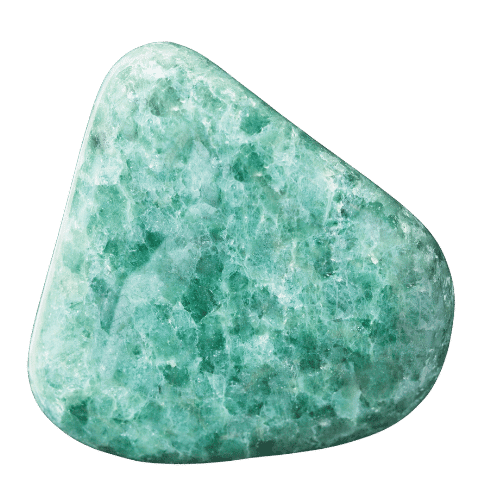
- Tumbled Jade ( to 14) for pocket carry and meditation.
- Raw Jade ( to 32) most powerful energetically for altar or desk.
- Jade Bracelet ( to 35) daily-wear, energy active 24/7.
- Jade Pendant ( to 45) over heart chakra for emotional work.
Authenticity Quick Check
Verify: weight (denser than expected), temperature (cool in palm 30+ sec), color depth (natural variation, not uniform). Avoid mixed-category sellers and prices under .
Caring for Your Stone
Jade absorbs ambient energy continuously. Weekly cleansing required. The simplest tool: a Selenite charging plate ( to 22). Place crystals on it overnight. See our complete cleansing guide for 6 more methods.