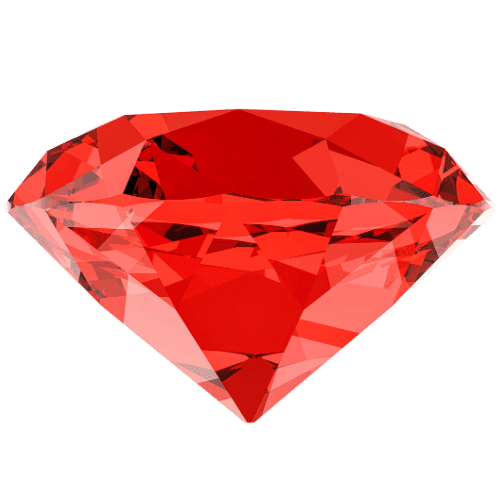
Garnet
The deep-red gem of devoted love, safe travel, and enduring loyalty
Garnet Quick Facts
The History of Garnet
Garnet has been used as gemstone and abrasive since the Bronze Age — Egyptian garnet jewelry from 3100 BC has been found in pharaohs' tombs. The name comes from the Latin granatum (pomegranate seed), reflecting the gem's deep red color and rounded crystal shape. Garnet was the most popular gemstone in ancient Rome — Roman signet rings, intaglios, and noble jewelry contained more garnet than any other stone. Bohemia (modern Czech Republic) was Europe's primary garnet source from the Middle Ages onward; Czech garnet jewelry remains a major artistic tradition today. Garnet is actually a group name covering at least 6 different mineral species (almandine, pyrope, spessartine, grossular, andradite, uvarovite) — colors range from deep red through orange, green, yellow, and rare blue.
Garnet Meaning & Symbolism
Garnet has been the gem of devoted love, safe travel, and protection from danger. Ancient Hebrew tradition holds that Noah used a glowing garnet to illuminate the interior of the ark. The Crusaders carried garnets believing they would ensure safe return home. In Hindu astrology, garnet is associated with the lower chakras (root and sacral) and with grounding spiritual energy into physical action. The deep red has been the color of warriors and lovers across most cultures. In modern crystal healing, garnet is recommended for those needing energy, courage, and faithful commitment in relationships.
Famous Garnets in History
The Smithsonian's Subway Garnet, a 9.7-pound crystal discovered during 1885 sewer construction in New York, sits in the museum's gem collection. The Liberty Garnet, a 75-carat tsavorite (green garnet), was discovered in 1974 and named for its discoverer's love of country. Bohemian garnet jewelry from the 19th century — including pieces from the Russian Imperial collection — fills museums from Prague to St. Petersburg. The Hessonite Garnet of Sri Lankan origin, called the Cinnamon Stone, has been treasured in Indian jewelry for over 2,000 years.
How to Care for Garnet
Garnet is hard (Mohs 6.5-7.5) and durable for daily wear. No common treatments — natural garnet is sold as-is. Clean with warm water and mild soap. Ultrasonic cleaners are safe for solid garnets but should be avoided for fracture-filled stones. Store separately from harder gems. Demantoid garnet (the rare green variety) is more delicate and benefits from gentler care.
Names That Connect to Garnet
Garnet's deep-red passion connects with names meaning red, fire, beloved, and victory — including names like Scarlett, Ruby, and Ember.
Garnet — Common Questions
Is garnet always red?
No — garnet is the most chromatically varied gemstone family. Garnet exists in green (tsavorite, demantoid), orange (spessartine, hessonite), yellow (mali garnet), purple-red (rhodolite), and rare blue. Demantoid garnet (green) is more valuable than emerald in some grades. Almandine garnet is the typical deep-red variety.
What's the difference between garnet and ruby?
Garnet and ruby are different minerals. Ruby is corundum (Mohs 9, harder); garnet is a silicate (Mohs 6.5-7.5). Ruby is more valuable. To tell them apart: ruby fluoresces under UV light (often glowing red); garnet does not. Garnet is also more affordable for similar visual impact.
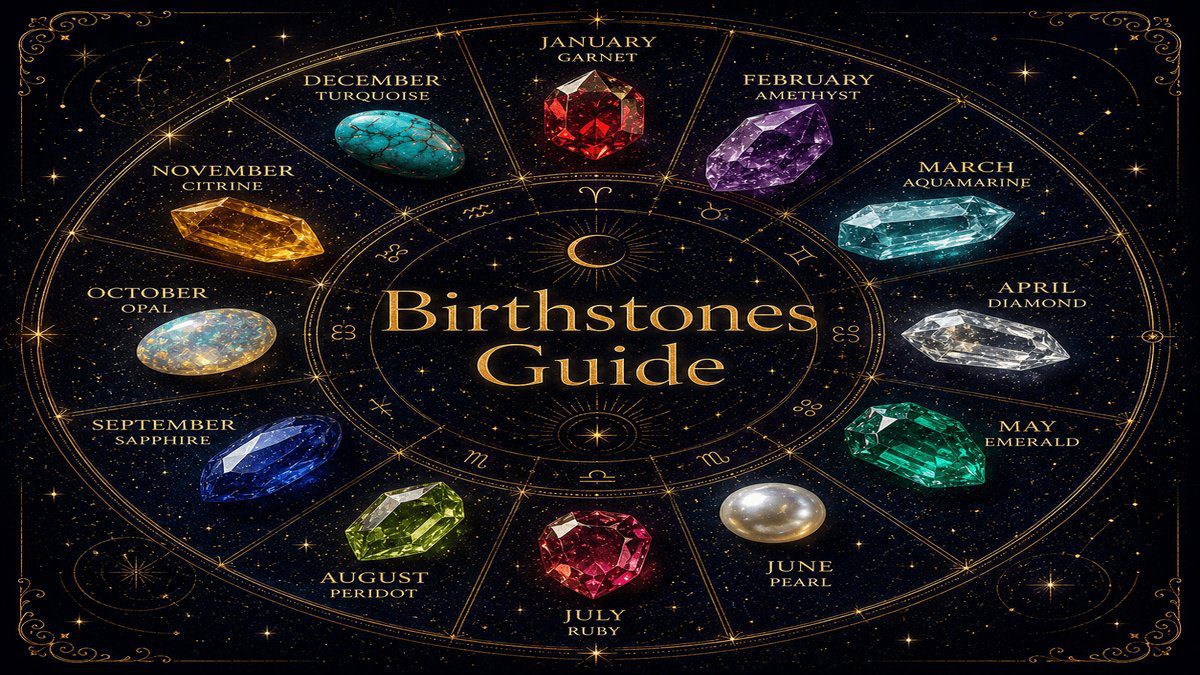
Why is garnet the January birthstone?
Garnet has been the January birthstone for centuries in both modern and traditional lists. The connection is symbolic: deep red against the cold winter, the sense of constancy and warmth in dark months. The ancient Romans set garnet into rings for travelers — perhaps connecting to January as the start of new journeys.
Is garnet expensive?
Common red garnet (almandine) is one of the most affordable gemstones — $20-50 per carat for good quality. The rare varieties — tsavorite (green) and demantoid garnet — sell for $1,000-5,000 per carat for fine quality. Spessartine (orange-red) is rising in price as supply diminishes.
How do I clean garnet?
Garnet cleans easily with warm water, mild dish soap, and a soft brush. Ultrasonic and steam cleaners are generally safe for natural garnets. Avoid harsh chemicals (chlorine, acetone). Store garnet jewelry separately to prevent scratching softer stones, and keep harder gems (sapphire, diamond) from scratching the garnet.
Other Stones to Explore
More Cosmic Tools
Find Your Birthstone by Birth Month
Each month has its own stone with unique meaning, history, and healing energy. Tap your birth month to discover yours in detail.
💎 Bringing Garnet Into Your Practice
Reading about Garnet activates one part of you. Holding Garnet activates an entirely different part. Ancient cultures across continents independently established the same truth: the stone in the hand does what the stone in the mind cannot.
Choose Your Format
- Tumbled Garnet ( to 14) for pocket carry and meditation.
- Raw Garnet ( to 32) most powerful energetically for altar or desk.
- Garnet Bracelet ( to 35) daily-wear, energy active 24/7.
- Garnet Pendant ( to 45) over heart chakra for emotional work.
Authenticity Quick Check
Verify: weight (denser than expected), temperature (cool in palm 30+ sec), color depth (natural variation, not uniform). Avoid mixed-category sellers and prices under .
Caring for Your Stone
Garnet absorbs ambient energy continuously. Weekly cleansing required. The simplest tool: a Selenite charging plate ( to 22). Place crystals on it overnight. See our complete cleansing guide for 6 more methods.