Sapphire
The royal blue gem of wisdom, clergy, and faithful love
Sapphire Quick Facts
The History of Sapphire
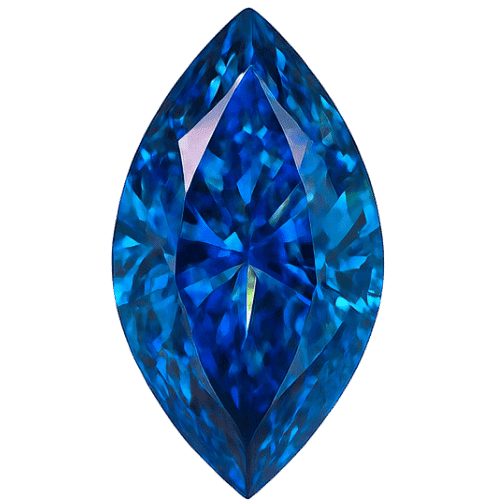
Sapphire shares its mineral identity with ruby — both are corundum, the same crystal in different colors. For 2,500 years sapphire has been the gemstone of kings, priests, and seekers of divine truth. The ancient Persians believed the Earth rested on a giant sapphire whose reflection colored the sky blue. Medieval European clergy wore sapphire rings to symbolize heaven and to ensure divine blessing. The Ten Commandments, according to medieval tradition, were inscribed on tablets of sapphire. In 12th-century Europe, sapphire was so valued by the Catholic Church that only members of the priesthood were allowed to wear blue sapphires — making the gem associated with chastity and contemplation. The most valuable sapphires historically came from Kashmir (rare cornflower blue), Sri Lanka (Ceylon sapphires, slightly lighter blue), and Myanmar.
Sapphire Meaning & Symbolism
Sapphire is the stone of wisdom, royalty, and prophecy. In Vedic astrology it corresponds to Saturn, the planet of discipline and long-term commitment — making sapphire the gem traditionally given for wedding anniversaries (5th and 45th). Christian tradition associates sapphire with the throne of God and the heavens. In ancient Greek mythology, sapphire was sacred to Apollo and worn at the Oracle of Delphi to receive divine messages. Modern symbolism continues these themes: clarity of mind, fairness in judgment, faithfulness in love. Princess Diana's engagement ring — a 12-carat Ceylon sapphire surrounded by diamonds — became the most famous sapphire of the 20th century when Prince William proposed to Kate Middleton with the same ring in 2010.
Famous Sapphires in History
The Star of India sapphire — 563 carats, the largest blue star sapphire in the world — was donated to the American Museum of Natural History by financier J.P. Morgan in 1900. The Logan Sapphire, a 423-carat cushion-cut blue sapphire from Sri Lanka, sits in the Smithsonian. The Stuart Sapphire, set into the British Imperial State Crown, has belonged to the British monarchy since the 17th century. The 2007 royal engagement ring of Kate Middleton (formerly Princess Diana's) is the most photographed sapphire ring in history.
How to Care for Sapphire
Sapphire is durable (Mohs 9), suitable for daily wear in any setting. Heat treatment is common (and accepted). Newer treatments like beryllium diffusion permanently alter color and should always be disclosed. Clean sapphire with warm water and mild dish soap; ultrasonic and steam cleaners are safe for natural untreated stones but should be avoided for fracture-filled or beryllium-treated material. Store sapphires separately from softer gems. The blue can fade with extreme prolonged UV exposure — but this is rare in normal wear.
Names That Connect to Sapphire
Sapphire's wisdom and royal energy resonate with names meaning wisdom, divine truth, victory, and contemplation.
Sapphire — Common Questions
Are sapphires only blue?
No. Corundum forms in nearly every color — pink, yellow, green, white, and orange-pink (called padparadscha and considered the rarest color). Only red corundum gets the separate name ruby; all other colors are called sapphire. Blue is the most famous because it is the color most often associated with the gem name.
What's the difference between Kashmir, Burmese, and Ceylon sapphires?
Kashmir sapphires (mined briefly 1881-1887) have a unique velvety cornflower blue and are the rarest, most valuable. Burmese sapphires from Mogok have rich royal blue with high saturation. Ceylon sapphires from Sri Lanka are lighter, brighter blue with excellent clarity. Each origin commands a price premium when verified by a gemological laboratory.
Can sapphires be lab-grown?
Yes. Lab-grown sapphires have been produced commercially since 1902 (the Verneuil process). Modern lab-grown sapphires are chemically identical to natural sapphires and substantially cheaper. They are common in industrial applications (watch crystals, medical lasers) but also legitimate jewelry stones when disclosed.
Why do sapphires fade?
Most natural sapphires never fade. However, certain heat treatments and surface diffusion treatments are not perfectly stable, and intense prolonged UV exposure can cause minor color changes in some stones. Treated sapphires should be evaluated and disclosed before purchase.
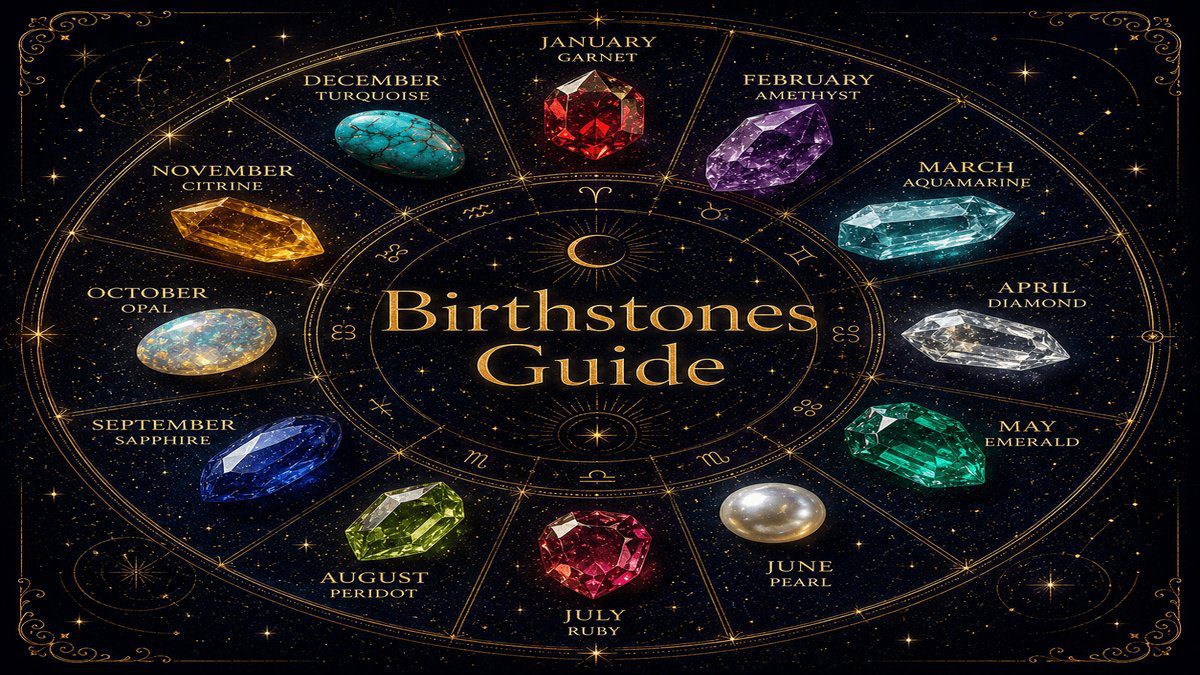
What is the September birthstone?
September's primary birthstone is sapphire, traditionally blue but in modern practice any color of sapphire qualifies. Sapphire has been the September birthstone for centuries in both modern and traditional lists. The mystical Tibetan tradition assigns September to agate.
Other Stones to Explore
More Cosmic Tools
Find Your Birthstone by Birth Month
Each month has its own stone with unique meaning, history, and healing energy. Tap your birth month to discover yours in detail.
💎 Bringing Sapphire Into Your Practice
Reading about Sapphire activates one part of you. Holding Sapphire activates an entirely different part. Ancient cultures across continents independently established the same truth: the stone in the hand does what the stone in the mind cannot.
Choose Your Format
- Tumbled Sapphire ( to 14) for pocket carry and meditation.
- Raw Sapphire ( to 32) most powerful energetically for altar or desk.
- Sapphire Bracelet ( to 35) daily-wear, energy active 24/7.
- Sapphire Pendant ( to 45) over heart chakra for emotional work.
Authenticity Quick Check
Verify: weight (denser than expected), temperature (cool in palm 30+ sec), color depth (natural variation, not uniform). Avoid mixed-category sellers and prices under .
Caring for Your Stone
Sapphire absorbs ambient energy continuously. Weekly cleansing required. The simplest tool: a Selenite charging plate ( to 22). Place crystals on it overnight. See our complete cleansing guide for 6 more methods.