Zircon
The 4.4-billion-year-old gem — Earth's oldest mineral with diamond-like fire
Zircon Quick Facts
The History of Zircon
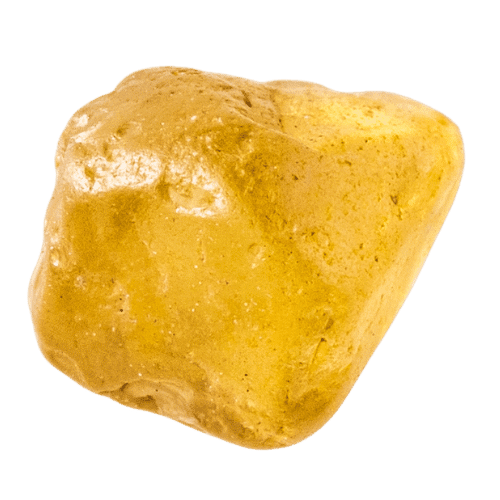
Zircon is the oldest known mineral on Earth. Some zircon crystals from the Jack Hills of Western Australia have been dated to 4.4 billion years old — nearly the age of the planet itself, and older than the oldest known rocks. Zircon's exceptional age stability comes from its crystal structure, which can incorporate trace amounts of uranium and thorium without breaking down. The name zircon comes from the Persian zargun (gold-colored), reflecting the warm honey color of historic Persian zircon. Roman Pliny the Elder described zircon as a separate gem in the 1st century AD. The famous Hyacinth zircon (orange-red variety) was treasured in medieval Europe; Pope Gregory I (590-604) used Hyacinth zircon as a healing talisman. Modern blue zircon (the December birthstone color) is heat-treated brown zircon — the treatment was developed in the 1920s. Major sources today include Cambodia (Pailin), Sri Lanka (Ratnapura), Myanmar, and Vietnam.
Zircon Meaning & Symbolism
Zircon's symbolism is as ancient as the stone — Persian tradition called it the gem of self-confidence and eloquence. Hindu mythology mentions zircon (called rahu ratna) as one of the nine sacred gems, associated with cosmic alignment. In medieval Europe, zircon was given as a sleep aid and protection from theft and disease. The Hyacinth variety was specifically associated with virtue and beneficial dreams. Modern crystal healing places zircon at the root and crown chakras (grounding plus connection), and uses it for self-confidence, mental clarity, and earth-connection. The age of zircon (literally older than human history) gives it associations with deep time, ancient earth wisdom, and grounded perspective.
Famous Zircons in History
The Smithsonian's 208.65-carat Sri Lankan blue zircon, the largest blue zircon in any museum collection, is on permanent display. The Royal Crown of Iran (Pahlavi dynasty, 1925-1979) contains numerous zircons of Persian origin. Cambodian Pailin zircon (sourced from royal mines closed in the 1970s during the Khmer Rouge era, partially reopened) is treasured by collectors for its top-quality blue color. Tiffany & Co. featured zircon prominently in 1920s Art Deco jewelry as a more affordable alternative to diamond — many of these pieces survive in private collections.
How to Care for Zircon
Zircon is moderately hard (Mohs 6-7.5 depending on type) but has a tendency to abrade along facet edges over time. Avoid ultrasonic and steam cleaners. Clean with warm water and mild dish soap. Store separately from harder gems (sapphire, ruby, diamond). Heat treatment is common (most blue zircon is heat-treated brown zircon) and accepted in the trade. Avoid prolonged direct sunlight, which can fade some treated stones. Best in protective settings; avoid prong-set engagement rings if you wear them daily.
Names That Connect to Zircon
Zircon's Persian and Russian historical heritage resonates with names rooted in Eastern European and ancient cultures.
Zircon — Common Questions
Is zircon the same as cubic zirconia?
No — zircon is a natural gemstone (zirconium silicate) that has been used in jewelry for thousands of years. Cubic zirconia (CZ) is a synthetic diamond simulant created in laboratories since the 1970s. The names are similar enough to confuse buyers, but the materials are entirely different: natural zircon has its own beauty and history; CZ is an imitation diamond.
Why is some zircon blue?
Most commercial blue zircon (the December birthstone color) is heated brown zircon — the heat treatment converts brown to blue. Natural blue zircon (untreated) is extremely rare. The heated material is stable and beautiful, though some treated stones can fade with prolonged UV exposure.
Is zircon really 4.4 billion years old?
Some zircon crystals are. Zircon's exceptional crystal structure incorporates trace radioactive elements (uranium, thorium) without breaking down, creating a built-in radiometric clock. Some zircon crystals from Western Australia have been dated to 4.4 billion years — making them older than nearly any other mineral and contemporaneous with Earth's earliest oceans.
Can zircon be mistaken for diamond?
Zircon was a popular diamond substitute before cubic zirconia was invented. Top-quality colorless zircon has high refractive index (1.93-1.98) and significant fire — visually similar to diamond at first glance. Gemological tests easily distinguish them: zircon is birefringent (double refraction), softer (Mohs 6-7.5 vs 10), and has different specific gravity.
Is zircon a December birthstone?
Yes. Blue zircon was added to December's birthstone list in 1952 alongside tanzanite (added 2002) and turquoise. December has the most birthstone options of any month — three official stones, all with their own histories and price points. Most modern jewelers stock all three.
Other Stones to Explore
More Cosmic Tools
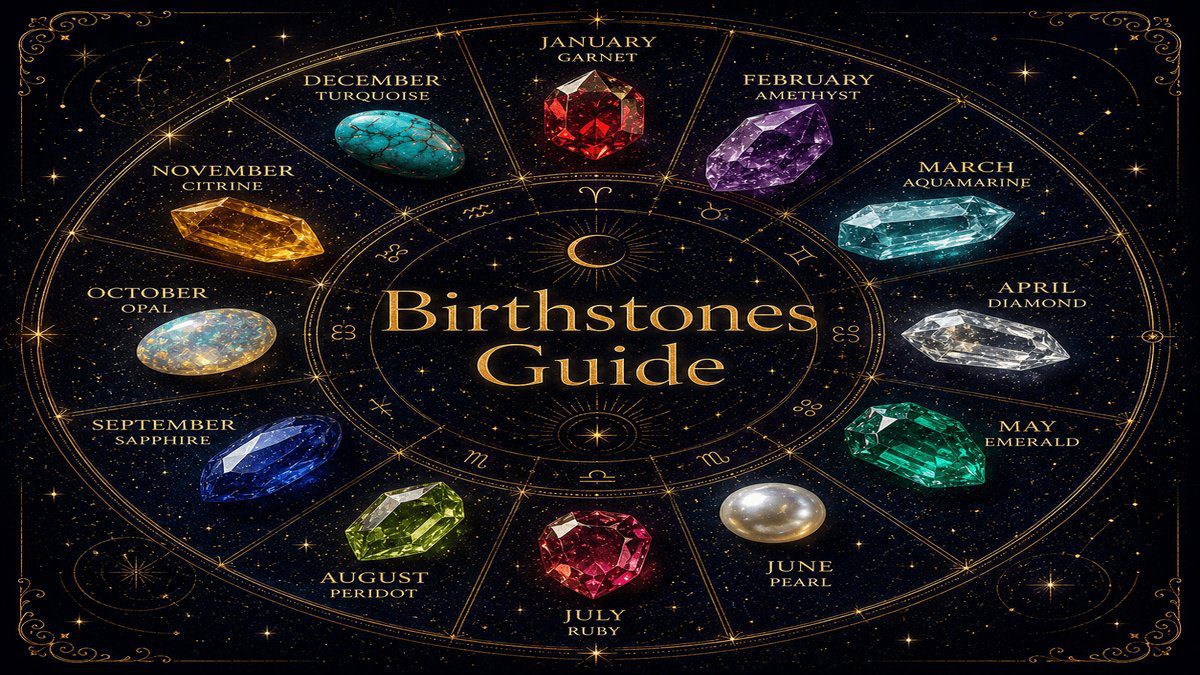
Find Your Birthstone by Birth Month
Each month has its own stone with unique meaning, history, and healing energy. Tap your birth month to discover yours in detail.
Famous Zircon Jewels in History
The most legendary Zircon specimens have shaped history through royal courts, museums, and cultural lore:
The Smithsonian Blue Zircon (118 carats)
Heat-treated blue zircon at the Smithsonian National Gem Collection.
Patricks Zircon (208 carats)
Largest known faceted zircon in private collection.
Ancient Jagannatha Temple Zircons
Ancient Cambodian and Sri Lankan zircons in temple jewelry from 6th century.
Geological Properties of Zircon
- Zirconium silicate - one of oldest minerals on Earth (4.4 billion years old)
- Hardness 7.5 on Mohs scale
- Often confused with cubic zirconia (lab-grown) but natural zircon is different mineral
- High refractive index gives diamond-like brilliance
- Heat-treated to produce blue color most associated with zircon today