Jasper
The supreme nurturer — earth-pattern stones from every continent
Jasper Quick Facts
The History of Jasper
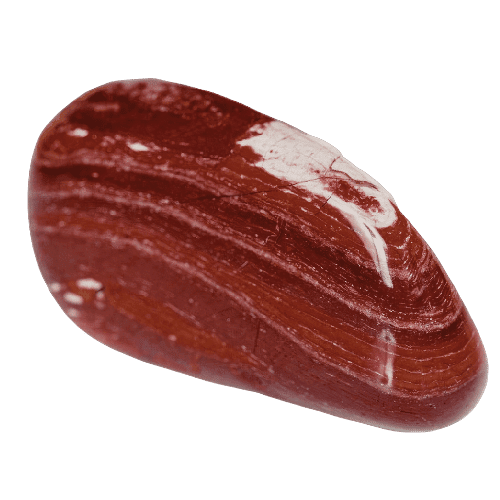
Jasper is opaque chalcedony — the most widely distributed gemstone on Earth, found across nearly every continent in dramatic patterns. The Egyptian Books of the Dead (1500 BC) include jasper amulets among the protections placed with mummies; Egyptian jasper carvings of the goddess Hathor have survived from 1800 BC. Native American Southwestern tribes call jasper the "supreme nurturer" and use it as a stone of grounding and earth-connection. Roman Pliny the Elder describes 17 different jasper varieties in his 1st-century Natural History. The Medieval European tradition included jasper in alchemical practices for stability and grounding. Different jasper varieties — picture jasper (resembles landscapes), ocean jasper (with spherical orbs), Imperial jasper (bright contrasting bands), kambaba jasper (green spheres) — each have their own collector markets. Modern jasper sources include Madagascar, the United States (especially Oregon), Mexico, India, and Russia.
Jasper Meaning & Symbolism
Jasper is the gem of grounding, endurance, and connection to the Earth's cycles. Native American tribes consider jasper sacred — "the supreme nurturer" — used in healing ceremonies and as a stone of deep stability. In Vedic astrology, jasper corresponds to the root chakra and recommended for those needing physical grounding and patient endurance. Modern crystal healing places different jasper varieties at different chakras: red jasper at the root (vitality), yellow jasper at the solar plexus (confidence), ocean jasper at the heart (emotional healing), picture jasper at the third eye (vision). The earth-pattern nature of each stone evokes geological time, the wisdom of slow accumulation, and the patience of stones that have witnessed millennia.
Famous Jaspers in History
The Smithsonian's Imperial Jasper collection features Brazilian and Madagascar specimens with extraordinary banding patterns, some over 50 cm long. The Joseph Jasper Cup, a Renaissance-carved Italian piece (15th century), is at the British Museum. The Maori sacred Pounamu (greenstone) collection, while technically nephrite jade, includes specimens often categorized with jasper in broader literature. Picture jasper from Idaho's Owyhee region produces stones whose natural patterns resemble dramatic desert landscapes — collectors sometimes pay $1,000-10,000 for exceptional specimens.
How to Care for Jasper
Jasper is hard (Mohs 6.5-7), durable for daily wear. Most jasper is sold natural without treatments. Clean with warm water and mild dish soap. Ultrasonic and steam cleaners are generally safe for solid jasper. Store separately from harder gems. Polished cabochons and beads benefit from occasional re-polishing if surfaces become matte over years of wear.
Names That Connect to Jasper
Jasper's earth-grounding stability directly matches the name Jasper, plus other earth-themed names — Hayes, Atticus, Leo (lion of the earth).
Jasper — Common Questions
What's the difference between jasper and agate?
Both are chalcedony (cryptocrystalline quartz). Agate is translucent with banding; jasper is opaque, often with patterns or color zoning rather than concentric bands. Some specimens straddle both categories — agate-jasper combinations called sard-onyx. Visually: light passes through agate; jasper blocks light.
What are the main types of jasper?
Major varieties include: Picture Jasper (landscape-like patterns), Ocean Jasper (spherical orbs), Imperial Jasper (bright contrasting bands), Mookaite (Australian rust-and-cream), Kambaba Jasper (green orbs from Madagascar), Red Jasper, Yellow Jasper, Green Jasper, and Brecciated Jasper (with white quartz veins). Each has a distinct look and following.
Is jasper expensive?
Common jasper is one of the most affordable gemstones — $5-50 per carat. Rare varieties (Imperial Jasper, ocean jasper, picture jasper from Oregon) command premium prices, especially for specimens with dramatic natural patterns. Top collector pieces can reach $1,000-10,000 each.
Why is jasper called the supreme nurturer?
Native American Southwestern tribes traditionally call jasper the supreme nurturer — a phrase meaning the stone has the most stable, grounding, supportive energy of any gem. The term has been adopted by modern crystal healing traditions. The reason: jasper's earth-connected colors (rust, cream, green, brown) and dense opacity feel rooted and protective.
Why is jasper an October mystical birthstone?
Jasper is October's mystical birthstone in Tibetan Buddhist tradition. The connection may reflect autumn's earthy color palette (jasper's classic colors are autumn-like) and the season's themes of harvest, grounding, and preparing for winter. The modern American list assigns October to opal and tourmaline.
Other Stones to Explore
More Cosmic Tools
Find Your Birthstone by Birth Month
Each month has its own stone with unique meaning, history, and healing energy. Tap your birth month to discover yours in detail.