Topaz
The autumn-warm gem of strength, abundance, and inner light
Topaz Quick Facts
The History of Topaz
Topaz takes its name from a Greek word — topazos — possibly referring to Saint John's Island in the Red Sea (modern Zabargad), where in fact peridot was mined and frequently confused with topaz in antiquity. True topaz comes from many places: Russia (the imperial Golden Topaz), Brazil (the world's largest source today), Pakistan (pink topaz from Katlang), and Sri Lanka. The Russian Imperial Topaz of the late 19th century was reserved exclusively for the Romanov family — usually a deep golden-orange rare sherry color. The 18th-century French jeweler Nicolas-Marie Magny invented techniques for cutting topaz that made it the favored stone of the European elite. Brazilian discovery in the 19th century (especially the famous Imperial topaz mines of Ouro Preto, founded 1768) brought topaz to a wider market.
Topaz Meaning & Symbolism
Topaz has been associated with the sun god Ra in ancient Egypt, with the radiance of inner truth in Indian tradition, and with strength of mind in Western alchemy. Pliny the Elder claimed topaz could cool boiling water and protect against fevers. In medieval Europe, topaz was set into rings for nobles to ensure protection from harm in battle. In Hindu astrology, topaz is the gem of Jupiter, recommended for those needing wisdom, abundance, and patient ambition. Modern crystal healing connects topaz to the solar plexus chakra (personal power) and uses it for confidence, attracting prosperity, and clear thinking. Blue topaz (most blue topaz on the market is irradiated colorless topaz) is associated with calm communication.
Famous Topazs in History
The Braganza Diamond is actually a 1,640-carat topaz mistaken for a diamond when it was set into the Portuguese Crown Jewels in 1740 — gemological confusion lasted for decades. The American Golden Topaz (22,892 carats, the world's largest faceted gem) sits at the Smithsonian. The El-Dorado Topaz, a 31,000-carat champagne topaz from Brazil, is the largest faceted topaz on display in private collection. The Star of Bombay sapphire was originally cataloged as topaz before being correctly identified — common gem confusion of the era.
How to Care for Topaz
Topaz is hard (Mohs 8) but has perfect cleavage along one direction — meaning a single sharp blow at the wrong angle can split the gem. Heat treatment is common (creating bright pink, blue, and orange topaz from colorless source material). Avoid sudden temperature changes and ultrasonic cleaners. Clean with warm water and mild soap. Some topaz can fade with prolonged UV exposure — store in a dark place when not worn. Imperial Topaz (golden-orange) is more stable than blue topaz, which can fade over decades.
Names That Connect to Topaz
Topaz's golden warmth connects with names meaning dawn (Aurora), star (Stella), lucky/prosperous (Felix), and lion (Leo, Leon).
Topaz — Common Questions
Is blue topaz natural?
Most commercial blue topaz is irradiated colorless topaz (followed by heat treatment) — the gem starts colorless or pale blue, becomes intense blue through irradiation. The treatment is permanent, considered ethical (cleared by FTC and gemological organizations), and produces gems indistinguishable from very rare natural blue topaz.
What is Imperial Topaz?
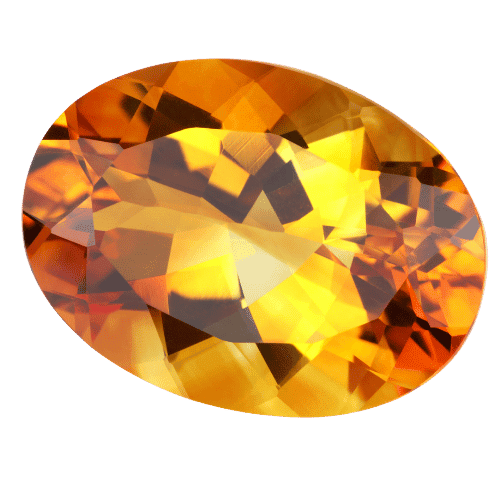
Imperial Topaz is the rare, naturally colored golden-orange to pinkish-orange topaz, mined primarily in the Ouro Preto region of Brazil. The name commemorates the Russian tsars who reserved this color exclusively for their own jewelry. Imperial Topaz is significantly more valuable than blue or colorless topaz, often selling for $1,000+ per carat.
Why is topaz the November birthstone?
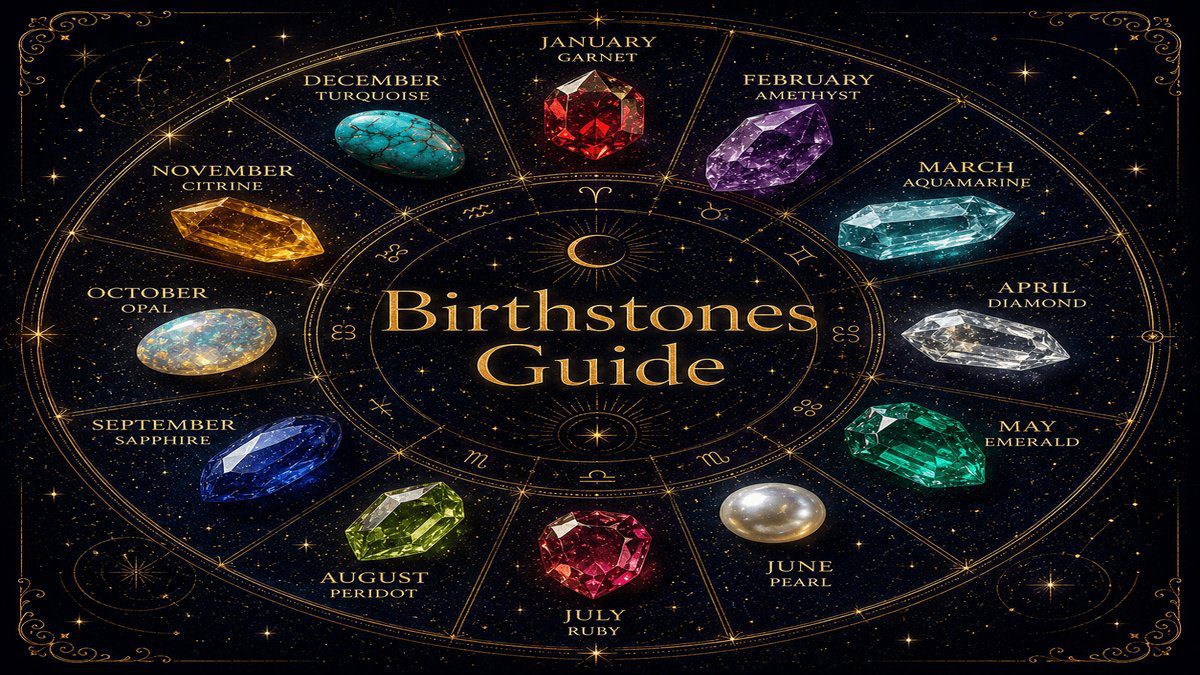
November's traditional birthstone has been topaz for centuries — its golden warmth matches the autumn season. The modern American Gem Trade Association list keeps topaz as November's primary, with citrine as the modern alternative for those who want a more affordable yellow gem. The mystical Tibetan tradition assigns pearl to November.
Can topaz be confused with citrine?
Yes — both can appear yellow-orange and unusual to the untrained eye. The differences: topaz is harder (Mohs 8 vs 7) and refracts light more strongly. Citrine is a quartz; topaz is its own mineral species. Most yellow stones sold as topaz at low prices in tourist markets are actually heated citrine. Always ask for an identification certificate when buying high-end golden stones.
How do I care for topaz?
Topaz is durable but has perfect cleavage — never strike it sharply. Avoid ultrasonic cleaners (vibrations can split the cleavage planes). Clean with warm water and mild soap. Store separately from other gems. Keep treated topaz (irradiated blue, heated pink) out of prolonged direct sunlight to prevent fading.
Other Stones to Explore
More Cosmic Tools
Find Your Birthstone by Birth Month
Each month has its own stone with unique meaning, history, and healing energy. Tap your birth month to discover yours in detail.
💎 Bringing Topaz Into Your Practice
Reading about Topaz activates one part of you. Holding Topaz activates an entirely different part. Ancient cultures across continents independently established the same truth: the stone in the hand does what the stone in the mind cannot.
Choose Your Format
- Tumbled Topaz ( to 14) for pocket carry and meditation.
- Raw Topaz ( to 32) most powerful energetically for altar or desk.
- Topaz Bracelet ( to 35) daily-wear, energy active 24/7.
- Topaz Pendant ( to 45) over heart chakra for emotional work.
Authenticity Quick Check
Verify: weight (denser than expected), temperature (cool in palm 30+ sec), color depth (natural variation, not uniform). Avoid mixed-category sellers and prices under .
Caring for Your Stone
Topaz absorbs ambient energy continuously. Weekly cleansing required. The simplest tool: a Selenite charging plate ( to 22). Place crystals on it overnight. See our complete cleansing guide for 6 more methods.